
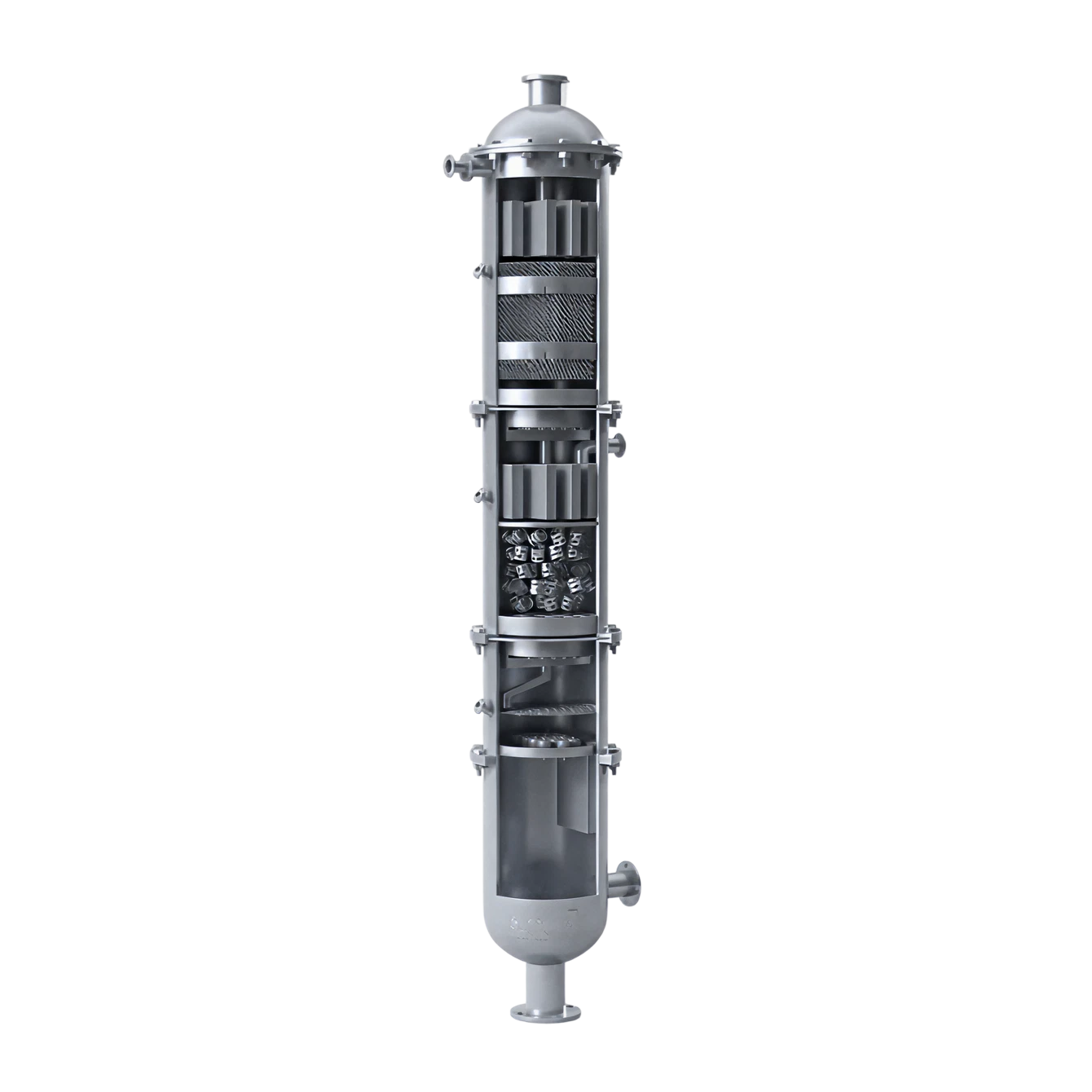
We offer a wide range of columns to meet the needs of a variety of applications. Our columns are designed and manufactured to the highest standards, and we offer a comprehensive range of services, including engineering, construction, and start-up support.
When designing an effluent stripper column, the choice between structured packing and sieve trays can significantly impact the efficiency, operational flexibility, and overall performance of the system. Here's a comparison to help you decide which might be more suitable for your specific needs:
Efficiency and Performance Of Structured Packing Over Sieve Trays
Structured Packing
High Surface Area
Low Pressure Drop
Higher Mass Transfer Efficiency
Low Space Efficiency
Higher Design Flexibility
Wide range of Turn Down Ratio
Less Maintenance
Low Initial Cost
Low Operational Costs
Sieve Tray
Low Surface Area
Higher Pressure Drop
Low Mass Transfer Efficiency
High Space Efficiency
Lower Design Flexibility
Less Turn Down Ratio
High Maintenance
High Initial Cost
High Operational Costs
Summary
Structured Packing: Offers higher efficiency, lower pressure drop, and better operational flexibility but comes with a higher initial cost. Ideal for applications where space is limited and energy efficiency is crucial.
Sieve Trays: Provide a robust and cost-effective solution with easier maintenance and handling of high flow rates but at the expense of higher pressure drops and potentially lower efficiency. Suitable for large-scale operations where cost and durability are major concerns.
Ultimately, the choice depends on your specific application requirements, budget constraints, and operational goals.
Types of Stripper Columns We Offer
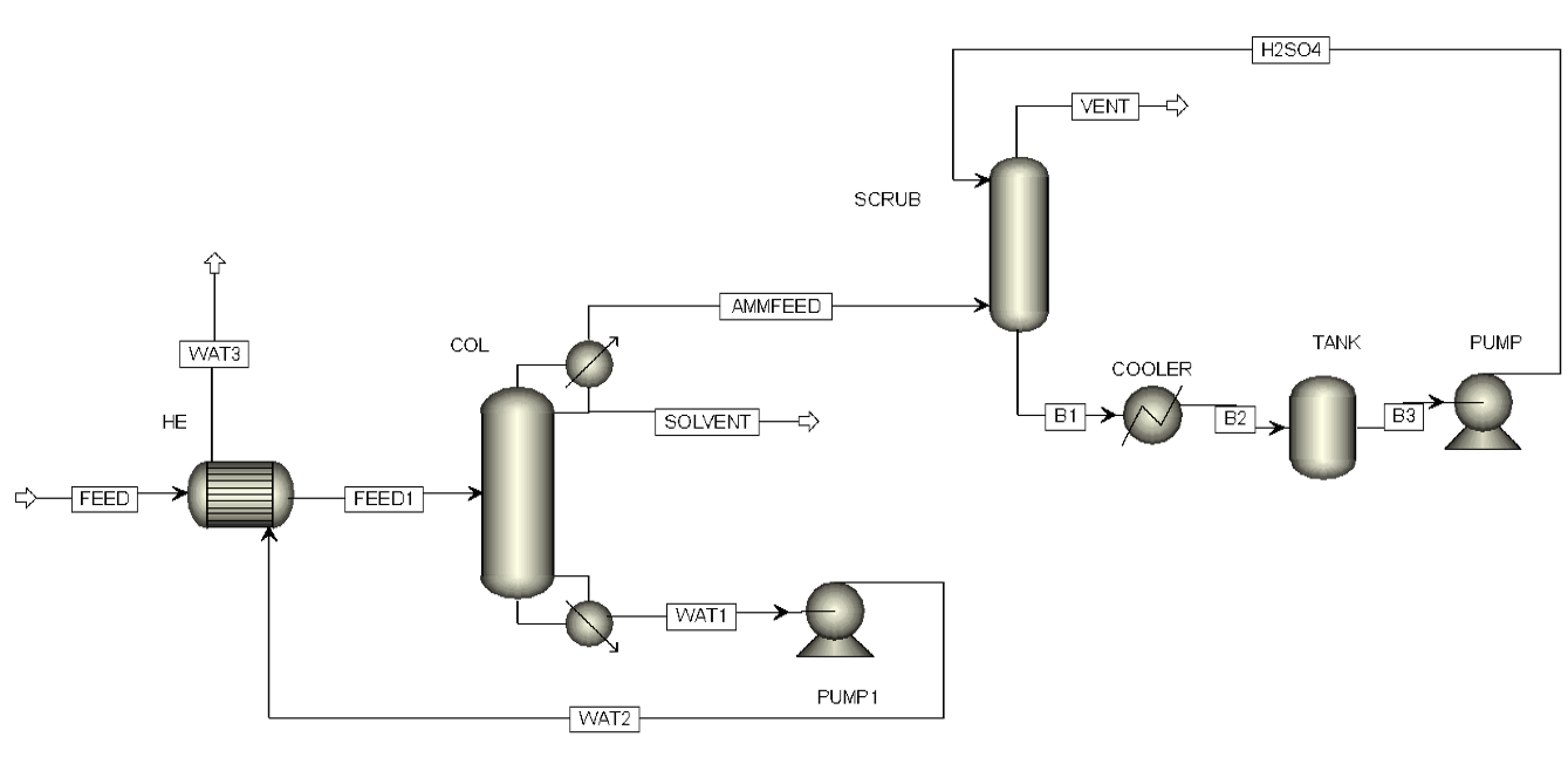
Ammonia Stripper & Scrubber System
Wastewater containing dissolved ammonia is first introduced into the ammonia stripper column. Inside the stripper, steam heats the bottom and rises counter-current to the wastewater flow.
Effluent Stripper
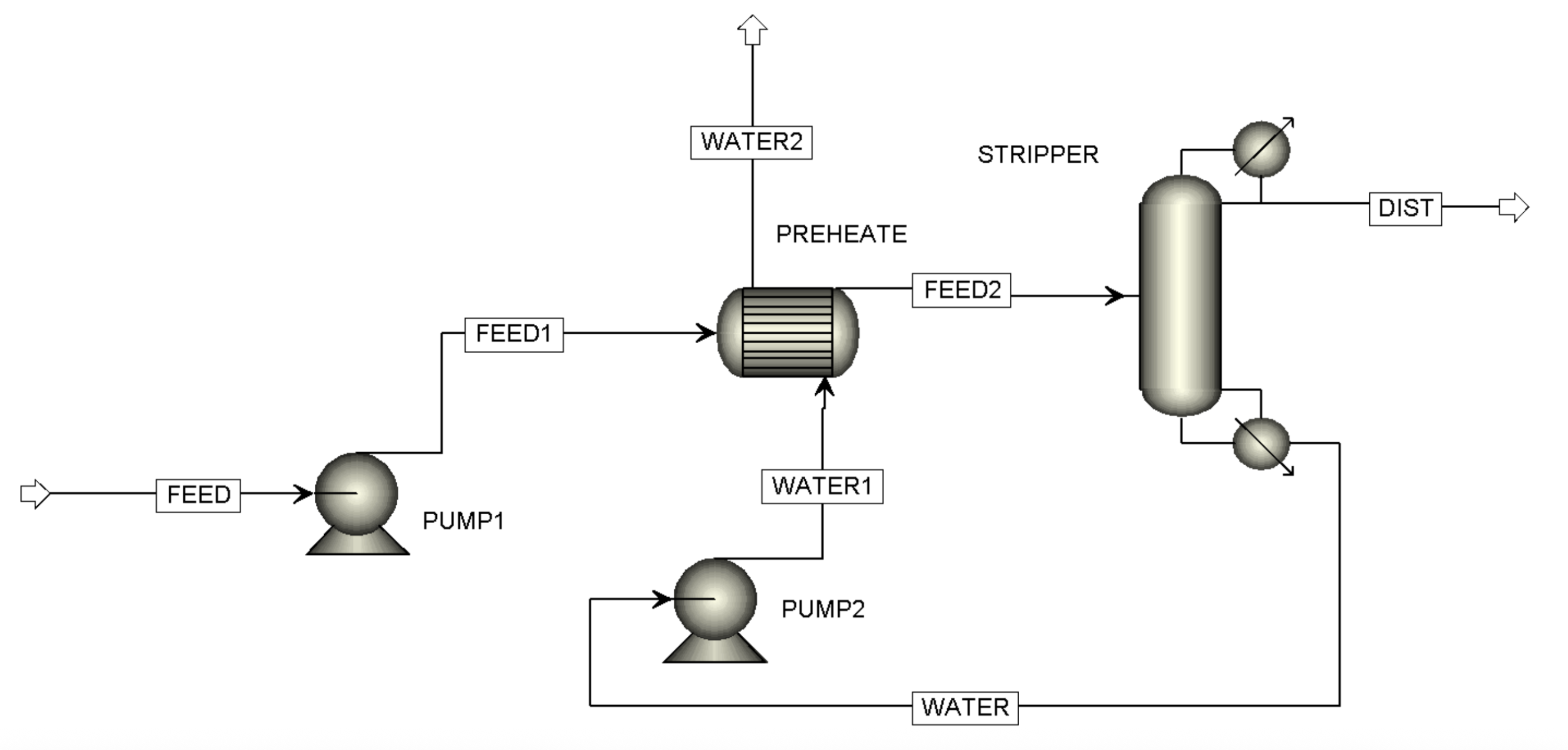
The stripper column receives effluent containing methanol, water, and dissolved solids. This effluent is preheated before entering the column, where heat volatilizes the methanol for recovery.
FAQs
Sieve trays are typically fabricated from sheet metal — commonly stainless steel or other corrosion-resistant alloys selected to suit the process fluid — with a regular pattern of small holes punched or drilled across the active area.
Vapour rising through the perforations contacts the liquid flowing across the tray, creating a froth that promotes mass transfer. The vapour velocity must be high enough to stop liquid weeping through the holes, yet low enough to avoid excessive entrainment and flooding.
Hole sizes typically range from about 3 mm to 12 mm, with the open area generally between 6% and 15% of the active tray area. The exact geometry is set during design to balance capacity, efficiency, and turndown for the specific service.
Still have questions?
Can't find the answer you're looking for? Please chat to our friendly team.