We offer a wide range of columns to meet the needs of a variety of applications. Our columns are designed and manufactured to the highest standards, and we offer a comprehensive range of services, including engineering, construction, and start-up support.
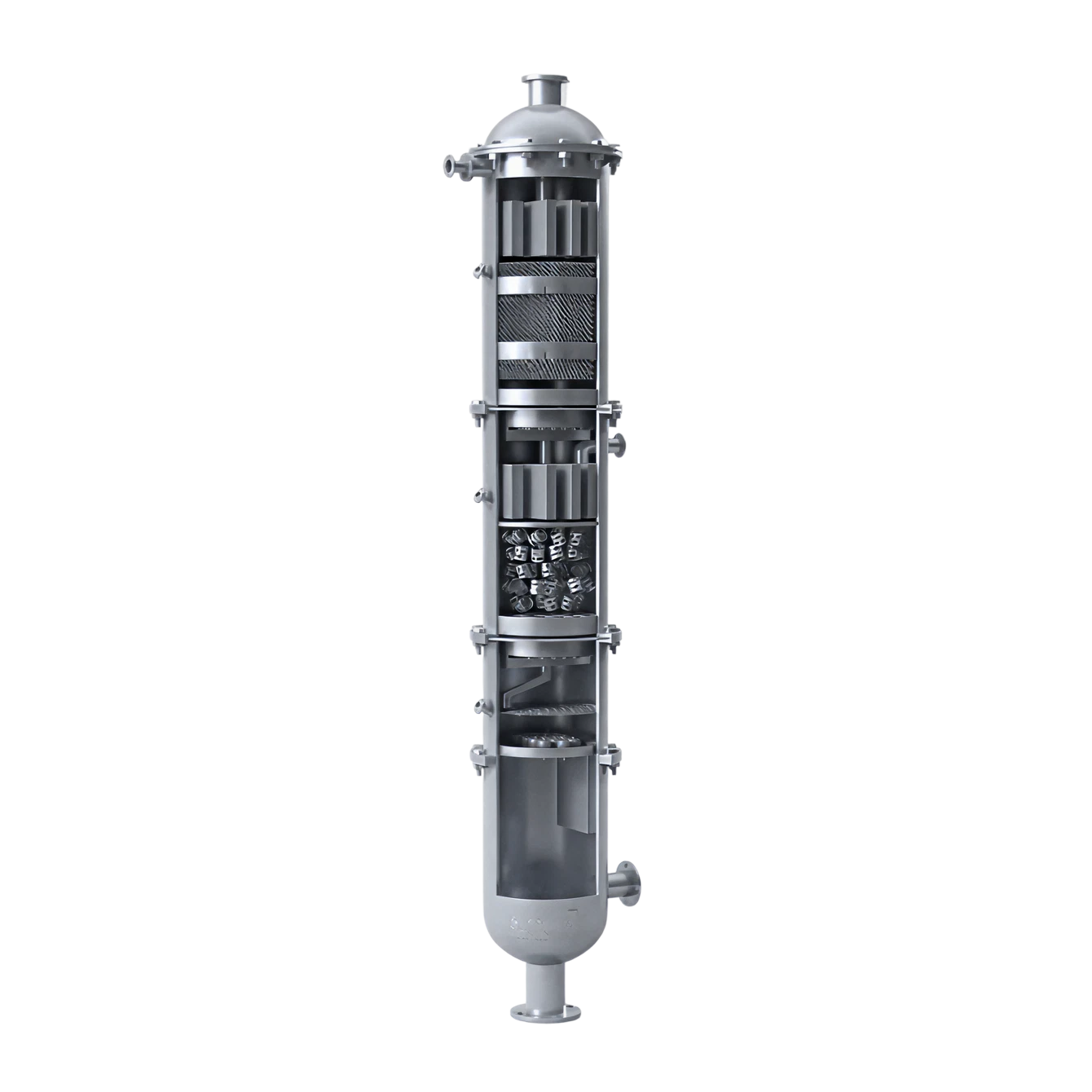
The design of stripper columns is complex and depends on a number of factors, such as the type of mixture being processed, the desired recovery of the lighter components, and the energy consumption requirements. S-Cube Mass Transfer has extensive experience in the design and construction of stripper columns, and we can help you select the right type of column for your application.
- The type of packing or trays used in a stripper column will affect its performance. Structured packings are typically more efficient than random packings, but they can also be more expensive.
- The height of the stripper column will also affect its performance. A taller column will provide more surface area for the liquid and vapor phases to contact each other, but it will also require more energy to operate.
- The temperature and pressure of the system will also affect the design of the stripper column. Higher temperatures and pressures will lead to higher vapor flow rates, which will require a larger column.
To know more about stripper columns

Types of Stripper Columns
Our process specialists can support you with optimally designed stripping columns. We supply firstclass components and equipment, or entire plant solutions, providing you with an excellent performance/cost ratio. Stripper Column is a part of zero Liquid Discharge system.
Structure Packing with Trays
This type is specially used with below feed for high TDS / Solid concentration.
Stripper Column with Total Trays
This type is used for very high TDS & cleaning frequency 10 days.
Structured Packing & Random Packing
This type is used with below feed used for the less TDS feed.
Process
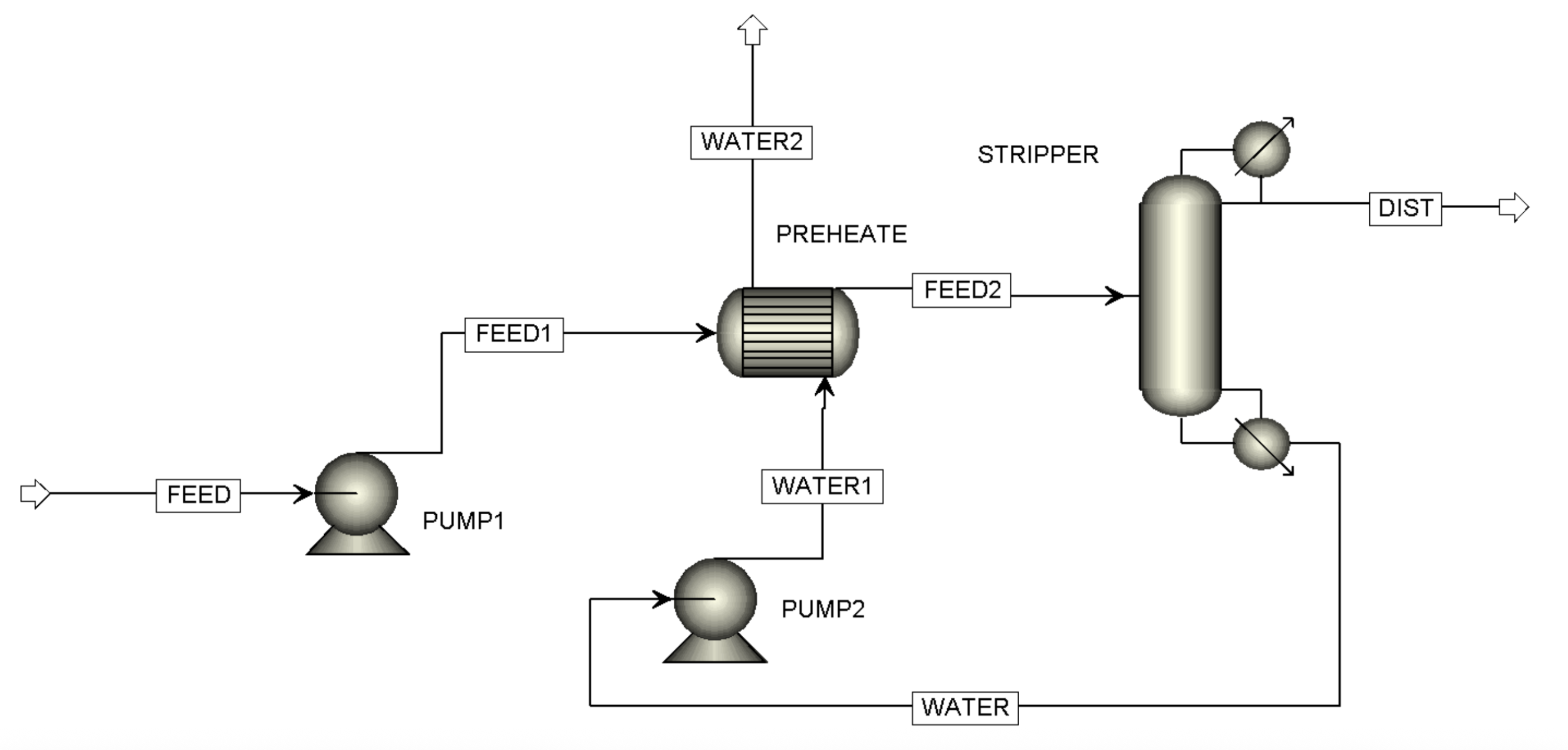
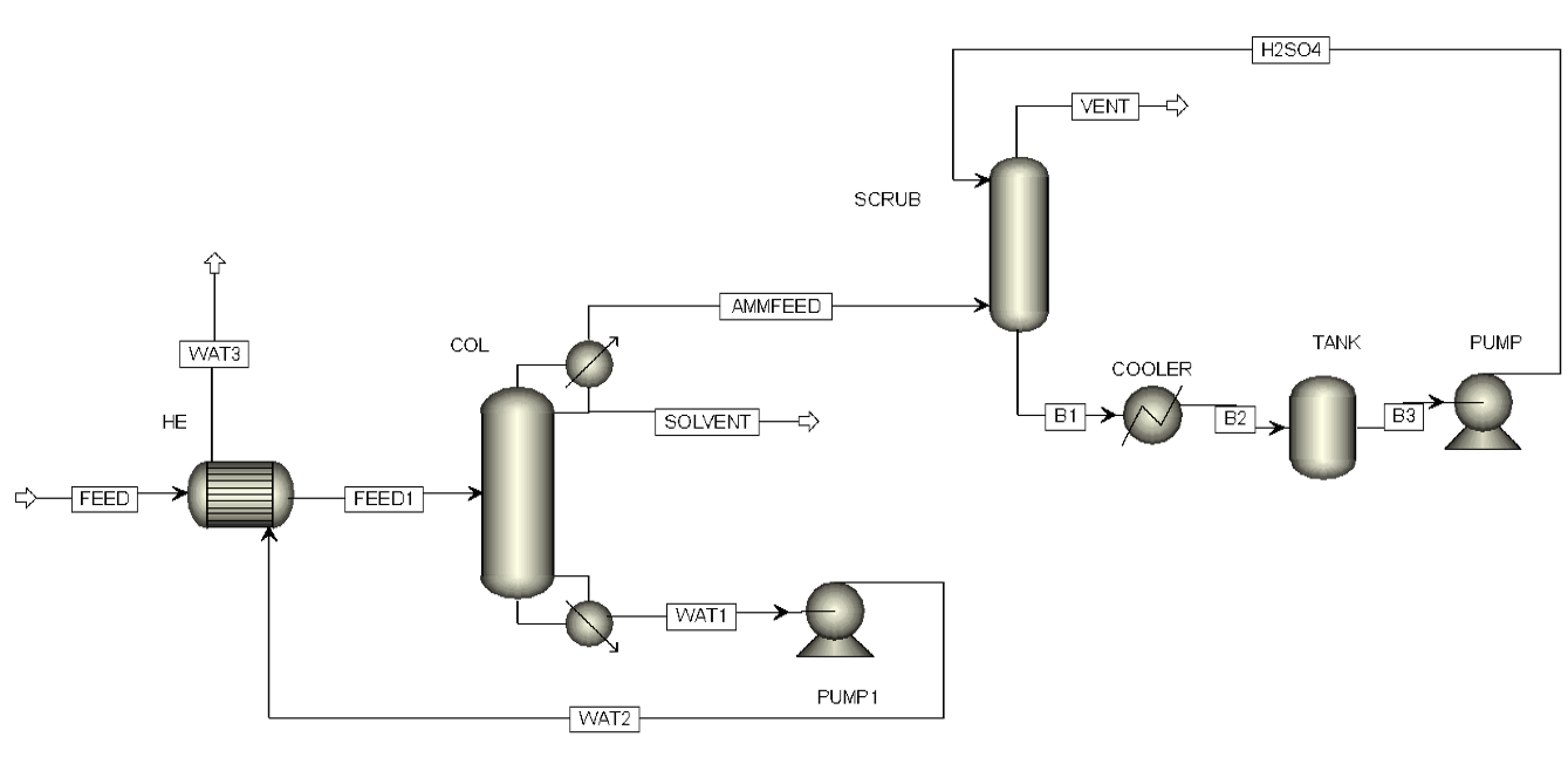
This basic operation in fluid processing serves to remove one or more lighter components from a liquid mixture. These components can be dissolved gases or lighter chemicals. The purpose of this process is typically to recover products from a liquid phase or to remove pollutants from wastewater. S-Cube has extensive experience in the successful design of stripping systems, especially combining a stripping step to remove solvents from wastewater with additional processing steps to purify these solvents.
Benefits
The design of stripping units is geared to provide you with improved column performance, increased capacity and reduced energy consumption. Design activities are supported by computer simulations and in-house pilot plant testing. Our vast experience and know-how in the field of stripping combined with an in-depth understanding of column hardware ensures we provide you with the optimum solution.
Offering
We offer you complete lines of column internals, packing or trays that can satisfy any stripping requirement, together with a basic engineering package and other key equipment such as column shells, column packings & internals, heat exchangers, and decanters. You can also choose the delivery of a complete, often skid-mounted unit including process control and start-up support services.
Packing Configurations for Distillation
Type of packing trays and internals used for stripper column are as follows.
Random packing is packing of specific geometrical shapes which are dumped into the tower and orient themselves randomly. The capacity, efficiency and pressure drop characteristics vary with packing size and type. Random packing has more risk than structured packing and less ability to handle maldistributed liquid. There some type of random packing.

Structured packings are used in the following applications:
- Difficult separations which requiring many stages such as isomers separation.
- High vacuum distillation
- In the column revamps structured is use to increase capacity and reduce reflux ratio requirements.
- Used in absorption, in an application where high efficiency and pressure drop are needed


Distillation Trays
Once the process design stage ends, the equipment design begins.
Selection Guide for Tray Column
The factors discussed below influence the choice between trays & packings. As these are guidelines for selection of trays or packings for a particular service, it is recommended to analyze each design case on its own merit for selection.
| Sr.No. | System Favouring Tray Column | System Favouring Packed Column |
|---|---|---|
| 1 | Solid handling | Vacuum system |
| 2 | High liquid rate feed composition and temperature | Low pressure drop application, Revamps- The pressure drop reduction |
| 3 | Metals | Small diameter columns< 900 mm |
| 4 | Large diameter columns | Corrosive system Or Foaming system |
Types of Trays
The particular tray selection and its design can materially affect the performance of a given distillation, absorption, or stripping system. Each tray should be designed so as to give as efficient a contact between the vapors and liquid as possible, within reasonable economic limits.
Valve trays are perforated sheet metal decks on which round, liftable valves are mounted. The vapors flows through valves which are installed parallel to the outlet weir. Valve trays combine high capacity and excellent efficiency with a wide operating range.
- Excellent liquid/ vapors contacting.
- Higher capacity.
- Higher flexibility than sieve trays.
- Can handle higher loadings.
- Low-pressure drop than bubble cap.

Sieve trays are flat perforated plates in which vapour rises through small holes in the tray floor, and bubbles through liquid in a fairly uniform manner. They have comparable capacity as valve trays.
Advantages
Disadvantages

FAQs
Stripper columns are commonly used in petroleum refining, chemical processing, wastewater treatment, and gas processing to remove volatile impurities, recover valuable components, or prepare streams for further processing.
Stripper columns typically use trays (sieve, valve, or bubble cap) or structured packing, depending on the application requirements, operating conditions, and efficiency needs.
A stripper column removes light components from the bottom liquid stream, while a rectifier concentrates light components in the overhead vapor. Strippers typically operate at higher temperatures and pressures.
Key factors include: feed composition, stripping medium flow rate, operating temperature and pressure, type and design of column internals, and liquid-to-vapor ratio.
Still have questions?
Can't find the answer you're looking for? Please chat to our friendly team.