
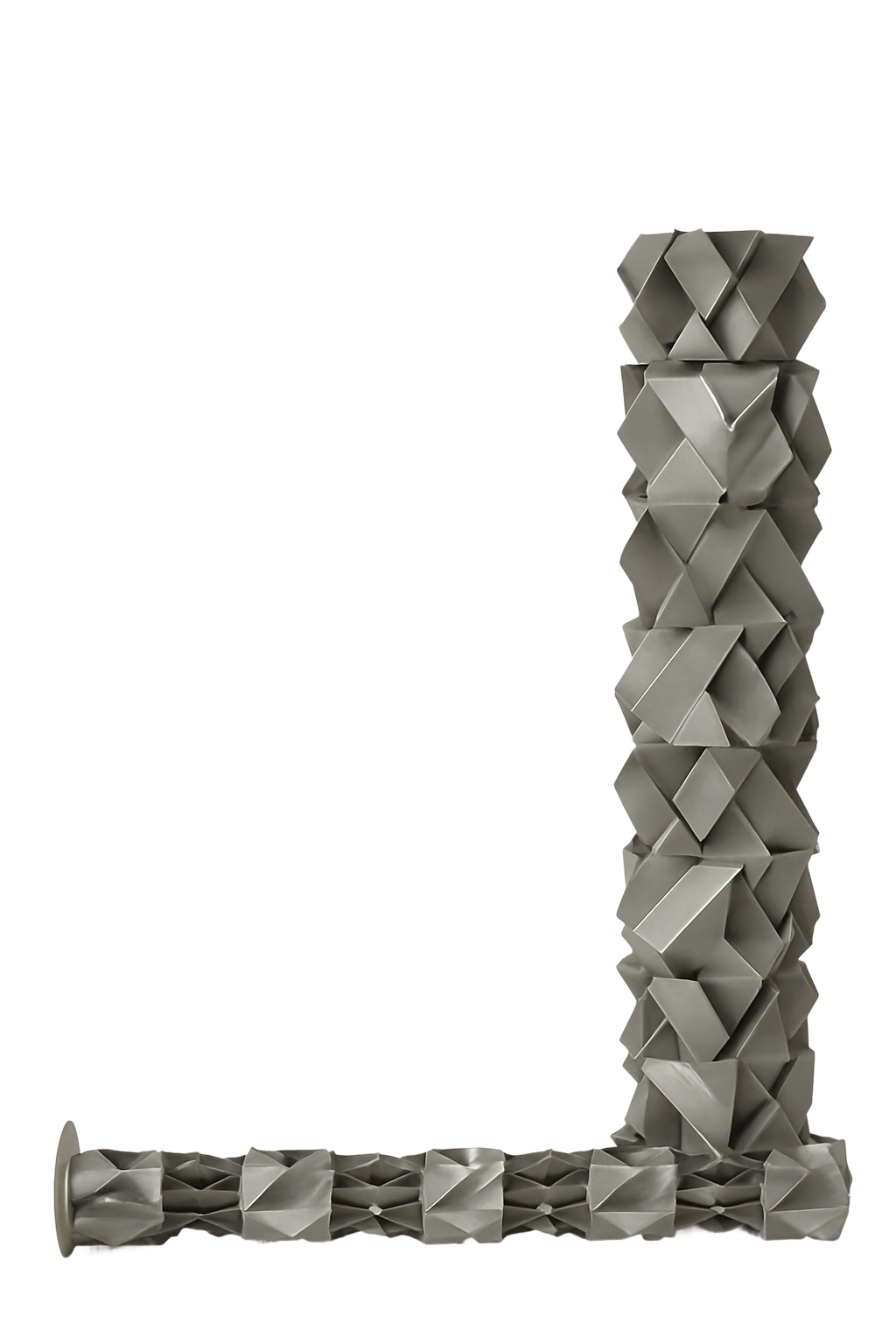
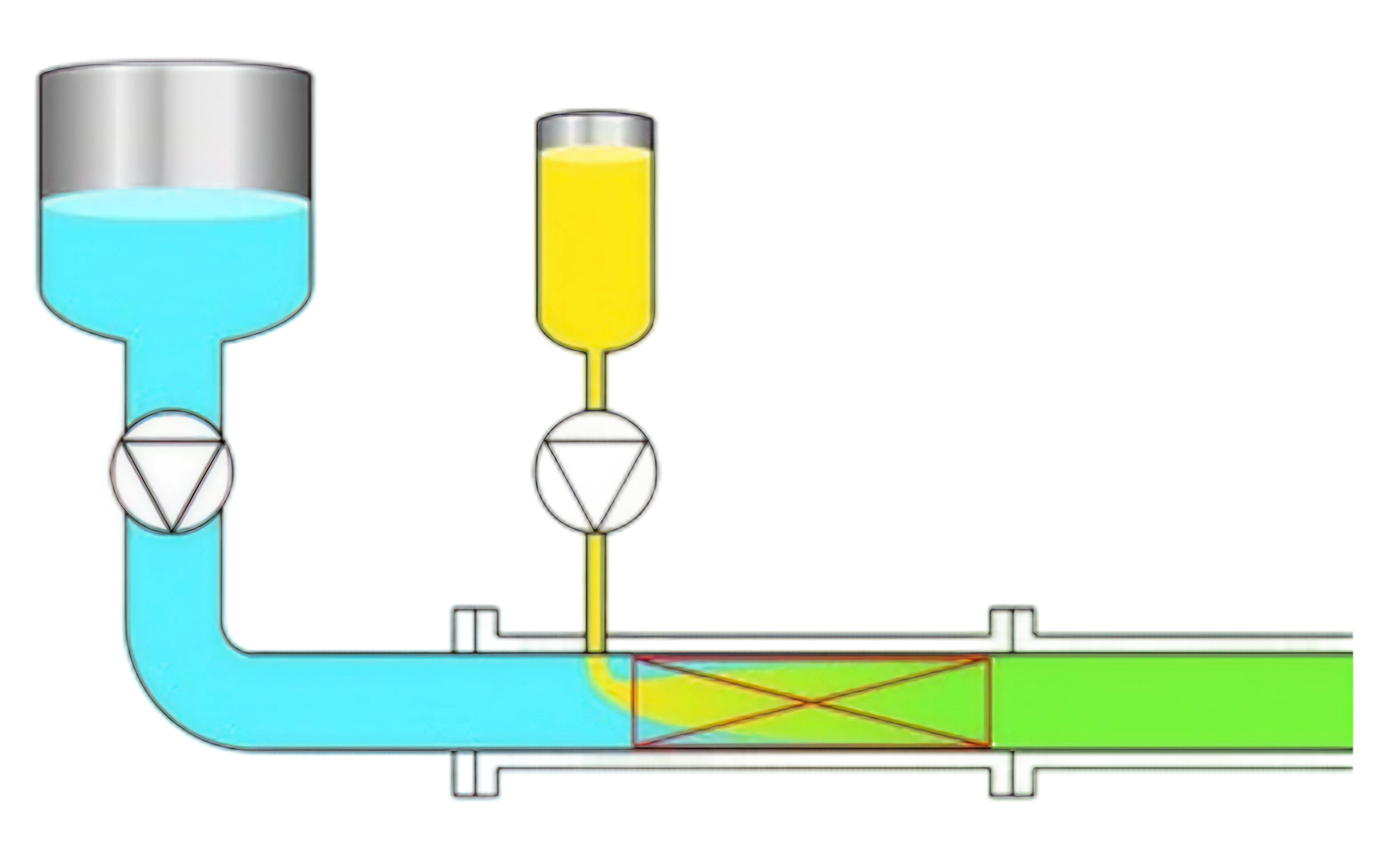
Inline Static mixers are essential tools in various industrial processes and are particularly vital in sectors like pharmaceuticals, biotechnology, and petrochemicals. These devices operate without any moving parts and are strategically placed within pipes or ducts to achieve precise, continuous mixing and dispersion. S-Cube Mass Transfer Pvt. Ltd. designs these mixers with fixed elements that enforce specific flow patterns, ensuring predictable and scalable performance. This efficiency is crucial for enhancing product quality, maximizing production yield, and optimizing overall process economics.
S-Cube's inline static mixers are compact, durable, and require minimal maintenance. They improve mass transfer and thermal exchange by dividing the flow into multiple substreams.
Depending on the fluid properties, mixing can occur under laminar, transitional, or turbulent conditions. Our mixers are customized to maximize energy efficiency and surface area interaction, meeting specific process requirements.
General Applications
- Blending: Achieving thorough mixing by continuously splitting and rearranging the flow.
- Dispersion: Mixing immiscible components to form uniform droplets.
- Gas-Liquid Contacting: Optimizing mass transfer in gas scrubbing and similar applications.
- Chemical Reactions: Ensuring controlled conditions in reactors for efficient chemical processing.
Types of S-Cube Inline Static Mixers
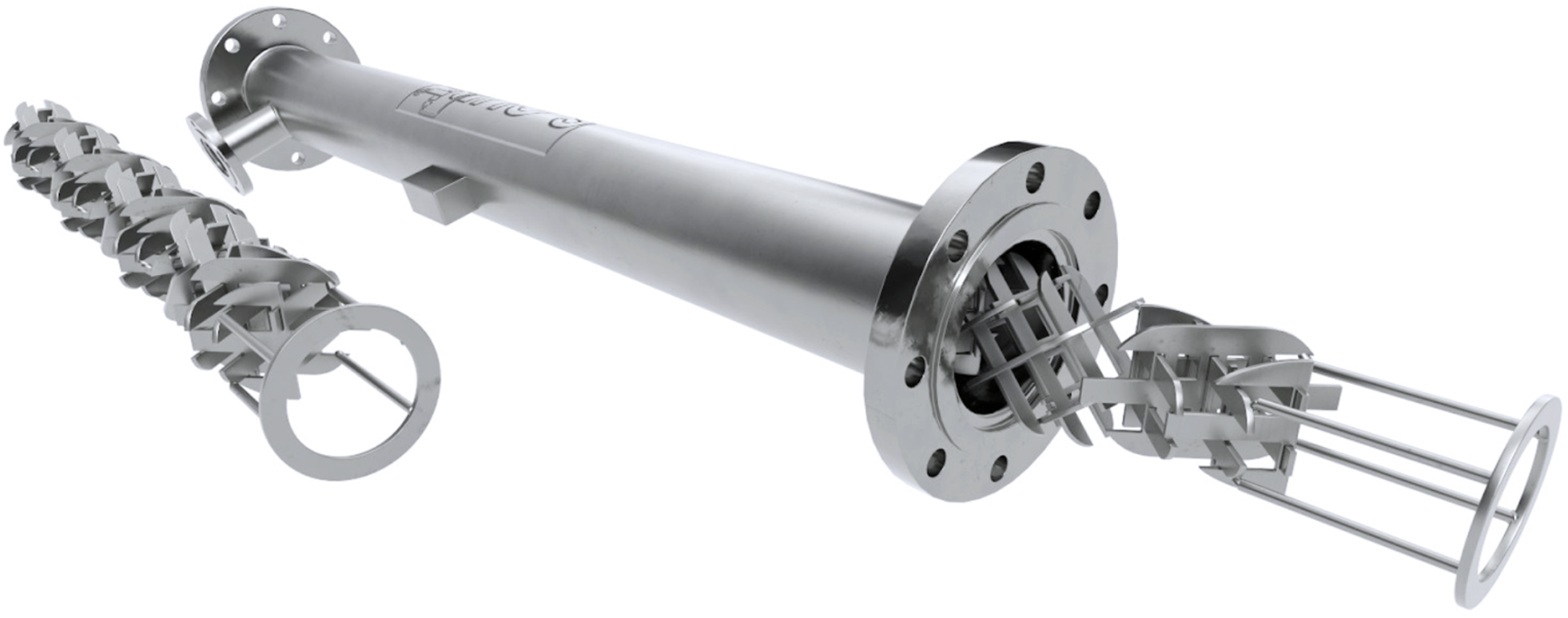
Utilizes a grid of inclined bars to distribute components evenly, suitable for complex fluid dynamics.
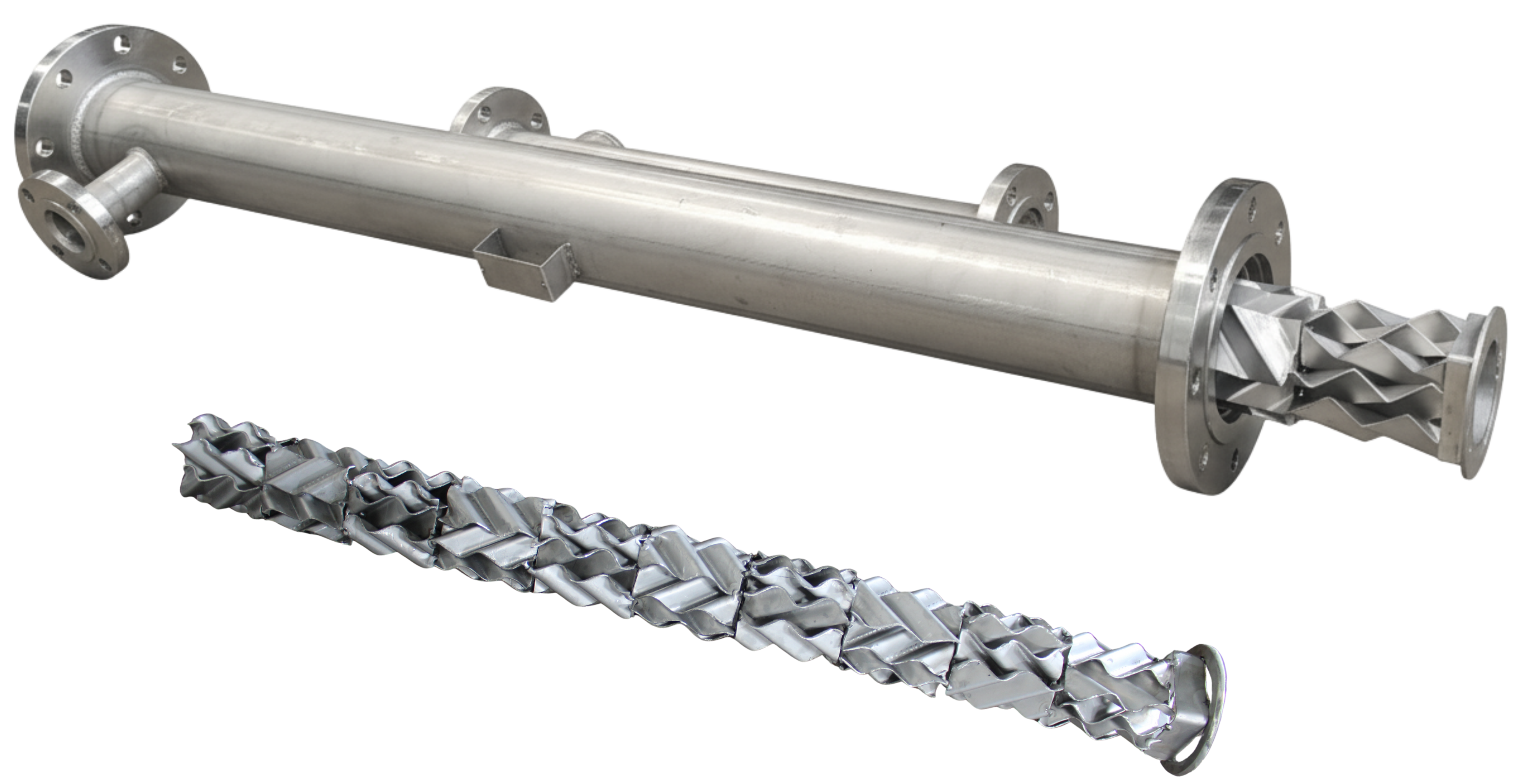
Features corrugated plates that enhance mass transfer in turbulent and transitional regimes.
Customer Benefits
- Custom Configuration:Mixers can be fine-tuned for specific process requirements like pressure drop and droplet size distribution.
- Protective Features:Reduce acid and caustic carryover to protect downstream equipment.
- Operational Efficiency:Operational Efficiency: Enhances the overall plant efficiency through optimized chemical reactions and product neutralization.
- Uniform Concentration and Temperature Distribution: Ensures product consistency and quality. Uniform Concentration and Temperature Distribution: Ensures product consistency and quality.
- Low Pressure Drop:Low Pressure Drop: Reduces energy costs and improves process efficiency.
- Longer Catalyst Lifetime:Extends the operational life of catalysts in chemical processes.

Energy Efficiency and Cost Effectiveness
Our inline static mixers are engineered to minimize pressure drops, significantly reducing energy costs. Their compact design also reduces space and investment requirements. The energy required for the mixing process is primarily to overcome the pressure drop associated with the flow through the mixer, typically supplied by a pump or blower.

Key Benefits
- Predictable Scaling: Provides a straightforward approach to scaling based on specific process objectives.
- Low Operational and Investment Costs: More economical due to their non-mechanical nature and optimized design.
- High Degree of Homogeneity: Quickly achieved at low pressure drops, ensuring uniform product quality across batches.
Industry wise Application
Gas-Liquid Contacting and Absorption:
Used for processes like the production of Ethylbenzene, Dichlorethylene, and hydrogenation of aromatics, providing high mass transfer areas and uniform droplet sizes.
Heat Exchange in Exothermic Reactions
Suitable for alkylation and sulphonation reactions, enhancing heat transfer capacities and maintaining a uniform temperature profile.
Reactive Resins, Adhesives, Sealants, Paint and Coatings
Essential for mixing and dissolution of blowing agents, fillers, and additives, as well as two-component mixing and heat exchange for processes like roll coating and solvent removal.
Pharmaceutical and Biotech
Critical for rapid mixing in fast reactions, salt base dilution, and maintaining uniform residence time in plug flow reactor.
Rapid Mixing
- For fast reactions - high selectivity with parallel and sequential reactions
- To initiate precipitation - continuous crystallization processes
- Salt base dilution
Plug Flow Reactors - Meeting Uniform Residence Time Requirements
- Hydrolysis
- Dissolving crystals
- Expanded fluidized bed processes
High-Intensity Dispersion
- Oil-water dispersions to create microspheres of controlled diameter
- Purification of products, extraction of contaminants
Heat Exchange with Plug Flow
- Temperature control - heating and cooling with single and multiphase fluids
- Control of exotherms
High Surface Mixer Substrates for Cell Growth
Customer Benefits
- Sanitary design, kilolab to commercial scale
- Precise temperature control
- Plug flow characteristics
- Mixing and dispersion to meet specific process requirements
- The sulphuric acid alkylation process from DuPont Strato calls for specially configured S-Cube static mixers and dispersers.
- The neutralization is of great importance for the downstream process.
- The separation columns located after the separators are corrosion-protected by the static mixer efficiency. Poorly designed mixers result in significant corrosion problems in the columns.
Many references document the versatility of S-Cube static mixers in the chemical process industry.
Applications
- Mixing liquids at various viscosities
- Mixing involving reactions
- Gas-liquid contacting, mass transfer, and absorption
- Gas mixing and liquid evaporation
- Heat removal in exothermic reactions
The mixers are available in a wide range of materials, allowing users to handle even corrosive chemicals effectively.
S-Cube static mixers facilitate various operations such as:
- Physical or chemical absorption of gases into liquids
- Mass transfer for homogeneous or heterogeneous chemical/biochemical reactions
- Stripping gases from liquids using a stripping agent
The S-Cube mixer element for reactors is well-suited for continuous temperature-controlled chemical reactions since mixing and heat transfer occur simultaneously.
S-Cube Static Mixers play a crucial role in various stages of edible oil processing, ensuring efficient mixing without moving parts.
Neutralization & Degumming
- Mixes phosphoric acid or caustic soda with crude oil for gum and impurity removal.
- Ensures uniform reaction and reduces chemical consumption.
Bleaching Process
- Efficiently blends bleaching earth or activated carbon with oil for effective impurity removal.
- Enhances color and quality of refined oil.
Hydrogenation
- Provides uniform mixing of hydrogen gas with oil during the hydrogenation process.
- Improves reaction efficiency and product consistency.
Additive Blending
- Ensures precise mixing of antioxidants, flavors, vitamins, and other additives into edible oil.
- Ensures homogeneity and enhances product stability.
Oil Blending
- Facilitates uniform blending of different types of oils to achieve desired taste, texture, and nutritional profiles.
Reactive Resins, Adhesives, Sealants, Paint, and Coatings
Mixing and Dissolution of Blowing Agents
- Foamed insulation, sheet, and shapes
Mixing Fillers and Additives with Base Product
- Mixing and distribution of cross-linking agents in base fluid
- Addition of color, UV stabilizer, and fire retardant
Two-Part Component Mixing
- Equal parts and viscosity (disposable mixer market)
- High flow and viscosity ratios
Heat Exchange
- Cooling in high-energy dissipation process loops
- Post-reactor cooling before packaging
- Heating and cooling on roll coating lines
- Devolatilization to remove solvents and excess monomers
FAQs
Static mixers offer several advantages: no moving parts (maintenance-free), lower energy consumption, compact design, easy installation, and suitability for both continuous and batch processes.
Static mixers are available in various materials including stainless steel, carbon steel, PVC, PTFE, and other corrosion-resistant materials to suit different process requirements and chemical compatibility.
Selection depends on factors such as flow rate, viscosity, required mixing efficiency, pressure drop limitations, chemical compatibility, and process conditions. Our engineering team can help you select the optimal design.
Yes, static mixers can be designed to handle a wide range of viscosities. The design and number of mixing elements can be adjusted to achieve optimal mixing for both low and high-viscosity fluids.
Still have questions?
Can't find the answer you're looking for? Please chat to our friendly team.